



Digital Marketing in 2026: How AI Agents Are Replacing Traditional Campaigns
Digital marketing is undergoing its biggest transformation yet. By 2026, traditional campaign-driven marketing is being replaced by intelligent systems that think, learn, and optimize on their own. Brands are no longer dependent on manual targeting, static creatives, or delayed performance insights.
At the center of this shift are AI marketing agents autonomous tools that analyze data, predict user behavior, and continuously improve campaigns in real time. For businesses aiming to stay competitive, understanding digital marketing in 2026 is no longer optional it’s essential.
What Are AI Marketing Agents?
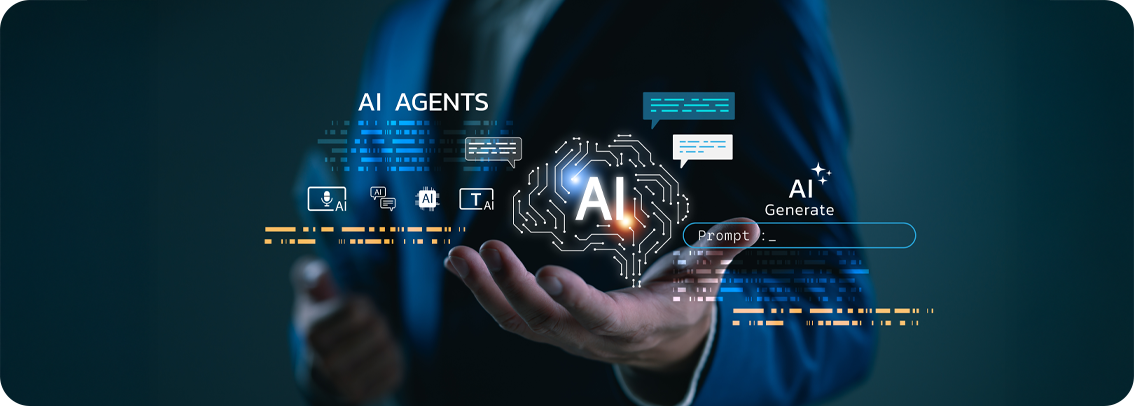
AI marketing agents are advanced systems designed to execute, manage, and optimize marketing activities automatically. Unlike traditional tools that require constant human input, these agents operate independently using machine learning and real-time data.
They can:
- Analyze customer behavior across platforms
- Predict buying intent before conversion
- Adjust ads, creatives, and budgets instantly
- Personalize messaging at scale
In 2026, AI marketing agents act as digital strategists — working 24/7 to improve engagement, reduce ad waste, and maximize ROI.
Why Traditional Digital Marketing Campaigns Are Fading
Traditional digital marketing was built on manual planning and reactive decision-making. Campaigns were created, launched, monitored, and optimized after results appeared often too late to recover wasted budgets.
Key Limitations of Traditional Campaigns
- Manual audience targeting
- Fixed creatives with limited testing
- Slow optimization cycles
- Generic messaging
- Higher ad spend wastage
In contrast, modern AI-driven campaigns adapt instantly. By 2026, brands relying only on traditional methods struggle to match the speed and accuracy of AI-powered competitors.
How AI Is Transforming Digital Marketing in 2026
Hyper-Personalized Customer Journeys
AI marketing agents track individual user behavior and deliver personalized content based on intent, location, device, and timing. Every user experiences a tailored journey instead of a one-size-fits-all campaign.
Predictive Campaign Planning
AI predicts outcomes before campaigns even launch. By analyzing historical data and behavioral patterns, AI agents forecast conversions, identify high-value audiences, and recommend the best channels and creatives.
Real-Time Optimization at Scale
In 2026, optimization is instant. AI agents automatically:
- Pause underperforming ads
- Reallocate budgets to top-performing channels
- Test multiple creatives simultaneously
- Adjust bids and keywords continuously
This ensures campaigns improve every minute, not every week.
AI- Powered content creation
AI assists in generating ad copy, headlines, captions, landing page variations, and even video scripts. Human creativity guides the vision, while AI accelerates execution and testing.
Role of Human Marketers in an AI-Driven World
AI does not replace marketers — it elevates them. In 2026, human marketers focus on strategy, creativity, ethics, and brand storytelling, while AI handles execution and optimization.
Human expertise is essential for:
- Defining brand voice and vision
- Creating emotional connections
- Ensuring ethical data usage
- Making high-level business decisions
AI becomes the engine. Humans remain the architects.
How Businesses Can Prepare for AI-First Marketing
To succeed in digital marketing in 2026, businesses must adapt now.
Key steps include:
- Investing in AI-enabled marketing platforms
- Integrating data across all digital touchpoints
- Prioritizing first-party and zero-party data
- Partnering with agencies experienced in AI-driven growth
At WebNX Global Services Pvt. Ltd., we help brands transition from traditional marketing to future-ready, AI-powered digital ecosystems.
Final Thoughts: The Future of Digital Marketing
Digital marketing in 2026 is no longer about running campaigns — it’s about building intelligent systems that learn, adapt, and scale automatically.
Brands that embrace AI marketing agents today will dominate tomorrow’s digital landscape. Those who delay risk becoming invisible.
The future of marketing isn’t manual.
It’s intelligent, automated, and always-on.


 Reach us on WhatsApp