



Zero-Click Searches in 2026: How Brands Can Still Win Without Website Clicks
Search behavior has changed dramatically. In 2026, a large percentage of Google searches end without a single website click. Users get answers directly from the search results through featured snippets, AI summaries, maps, and knowledge panels.
These are known as zero-click searches, and while they reduce traditional traffic, they create new opportunities for brands that know how to adapt.
The key question is no longer “How do we get clicks?”
It is “How do we own visibility and trust even without clicks?”
What Are Zero-Click Searches?
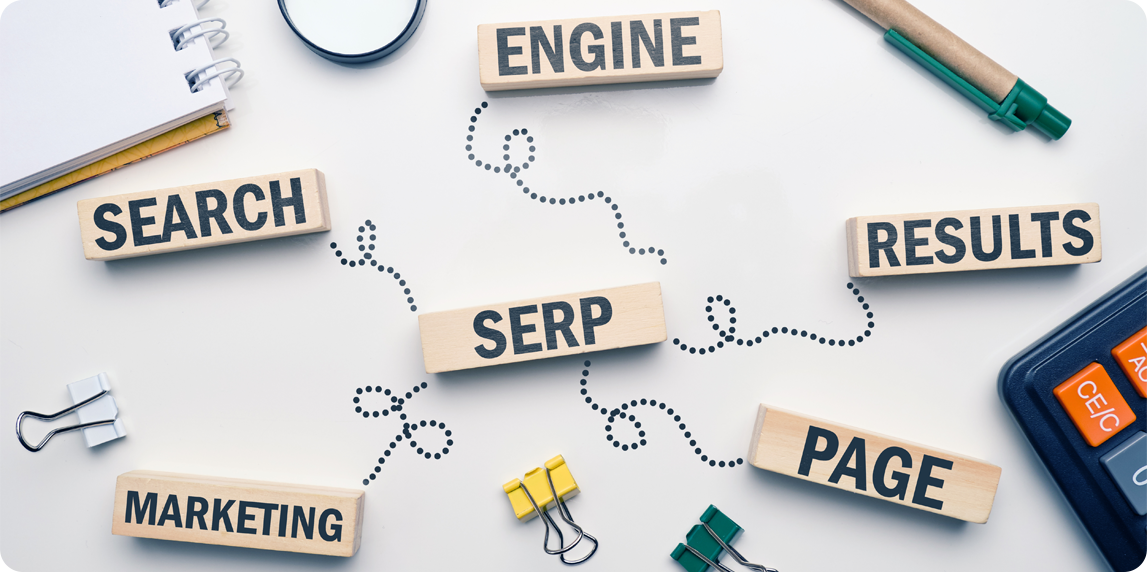
Zero-click searches occur when users find the information they need directly on the search engine results page (SERP) without clicking any website link.
Common zero-click elements include:
- Featured snippets
- Google AI overviews
- Knowledge panels
- Local map packs
- Instant answers (weather, prices, definitions)
In 2026, Google’s AI-driven search experience prioritizes speed and clarity, making zero-click results more prominent than ever.
Why Zero-Click Searches Are Increasing in 2026
Several factors are accelerating the rise of zero-click searches:
AI-Powered Search Results
Google now uses advanced AI to summarize content and present direct answers without requiring users to visit multiple pages.
Mobile-First Behavior
Mobile users prefer instant answers rather than navigating websites, especially for quick queries.
Voice & Visual Search Integration
Voice assistants and visual search tools rely heavily on zero-click responses.
Improved SERP Features
Search engines aim to keep users within their ecosystem longer by answering queries directly.
How Zero-Click Searches Impact Businesses
Reduced Website Traffic
Even high-ranking pages may receive fewer clicks if Google answers the query directly.
Increased Brand Visibility
Brands featured in snippets or panels gain authority and trust—even without clicks.
Shift in SEO Metrics
Success is now measured by visibility, impressions, and brand recall, not just traffic.
Businesses that fail to adapt may see declining traffic despite strong rankings.
How Brands Can Win Zero-Click SEO in 2026
Optimize for Featured Snippets
Featured snippets are the most powerful zero-click asset.
Best practices:
- Answer questions clearly in 40–60 words
- Use bullet points and numbered lists
- Add question-based H2 and H3 headings
- Keep answers simple and factual
Strengthen Brand Presence on SERPs
In 2026, SERP branding matters more than clicks.
To optimize for snippets:
- Optimize Google Business Profile
- Use consistent brand name mentions
- Add schema markup (Organization, FAQ, Product)
- Maintain accurate business information everywhere
When users repeatedly see your brand in answers, trust builds naturally.

Focus on High-Intent Queries
Not all searches should be optimized for clicks.
Examples of zero-click-friendly queries:
- Definitions
- Comparisons
- How-to steps
- Local searches
For high-intent searches like “pricing,” “services,” or “contact,” structure content to encourage deeper engagement beyond the SERP.
Role of AI Content in Zero-Click Search
AI-generated answers pull from well-structured, authoritative content. To increase inclusion:
- Write clear, factual, non-fluffy content
- Avoid keyword stuffing
- Use schema and semantic HTML
- Update content regularly
Search engines prefer helpful, human-first content even when AI is involved.
Industries Most Affected by Zero-Click Searches
Zero-click SEO is especially important for:
- Digital marketing agencies
- Healthcare & wellness
- Travel & hospitality
- Finance & taxation
- Education platforms
For these industries, SERP presence directly impacts credibility and leads.
Final Thoughts
Zero-click searches in 2026 are not killing SEO—they are redefining it.
Brands that adapt their strategy to focus on visibility, authority, and SERP dominance will thrive, even with fewer clicks. The future belongs to businesses that understand how users consume information, not just how they click.
SEO is no longer just about traffic.
It’s about owning attention.

 Reach us on WhatsApp